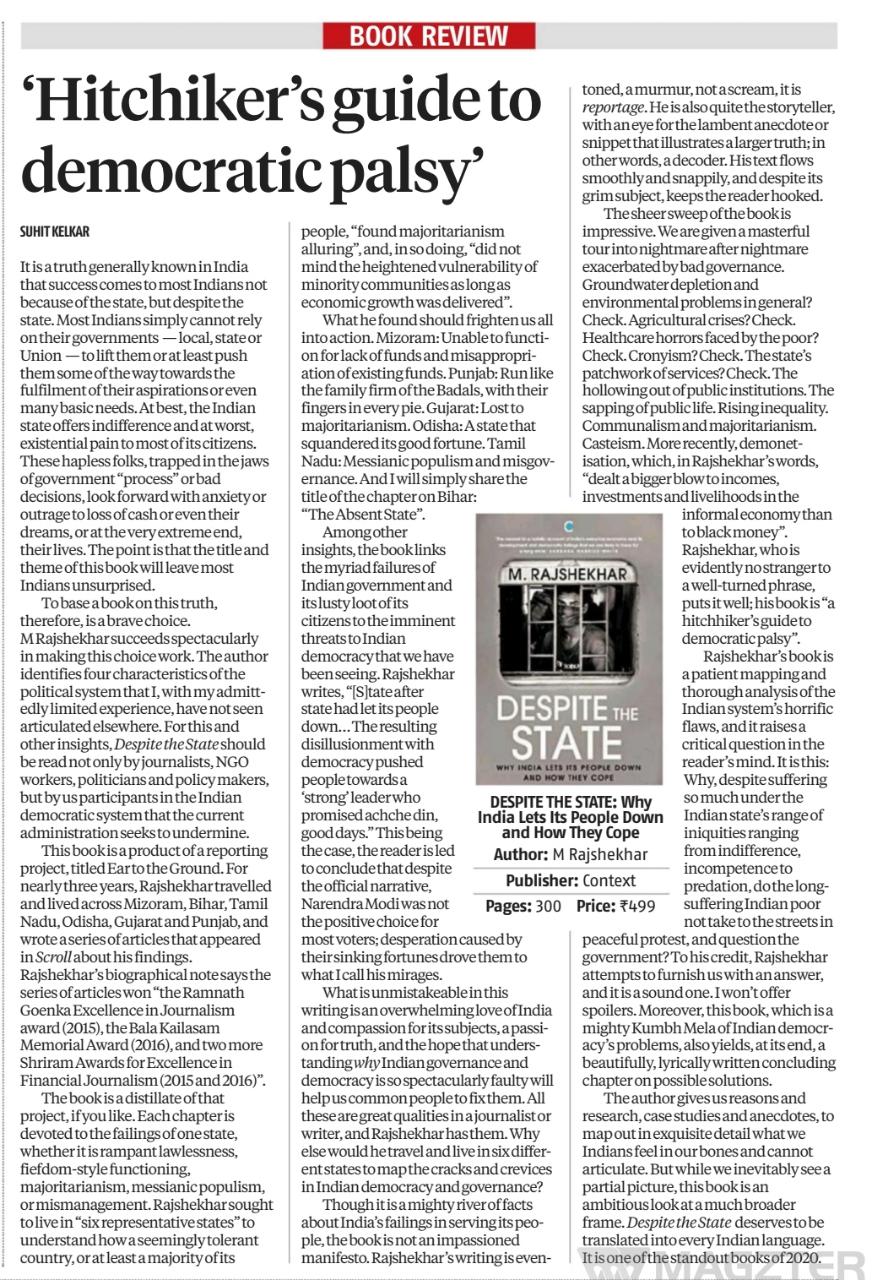
Six years on, I cannot forget Lalhlimpuii.
It was March, 2015. I had reached Lunglei, the second biggest town in the north-eastern state of Mizoram, the previous evening. The plan was to stay here for a couple of days, visit villages to gauge how the state government’s flagship rural development project, something called the New Land Use Policy, is working.
A correlation holds in India. The farther one goes from administrative centres, the more weakly the state functions. And so, I wanted to travel out for twenty or so kilometres before starting at stop at villages. Which meant I needed an auto-rickshaw. In these interior reaches, I need to do my interviews in Mizo. And so, what I really needed was an auto-rickshaw with a driver who speaks English and can double up as a translator.
The first auto I meet the next morning, while walking to the auto stand, is driven by a tall, fair young man nearing thirty. We are still struggling to understand each other when he abruptly waves me into his rickshaw. I do. He putters off, drives for a couple of minutes and then stops in front of a wooden house and gestures: I should follow him in.
Like most houses in Mizoram, this house stands off the road on stilts driven into the hillside. As I will find, his in-laws live on the first floor – which, given the steepness of the slope, is almost level with the road. For now, I walk down the steps to the left and enter the house of Pu Lalchhanhima, the young man, and Pi Lalhlimpuii, his wife. These are early days for me in Mizoram. And so, while the two talk, I look around.
A large central room that contains a dining table, sofas and a cooking area running along the wall to my left. And beyond it, a bedroom. The house is messy in a way houses with a young kid are.
The two finish talking. Lalhlimpuii turns to me and asks me to explain again what I want – she studied in a convent and her english is immaculate. I do my spiel. I am a reporter. From Delhi. I am here to understand how land use policy is working. I need to go to a village twenty kilometres and I need help with translation.
She helps me and Pu Chhana, as his nickname goes, identify a village. And then turns to me again. We have never done anything like this before and so, she says, her husband will go ask a neighbour what to charge and, in the meantime, have I had breakfast?
She is pregnant and so, she settles down at the dining table a tad gingerly. We eat while I ask her about life in Lunglei. And then, Pu Chhana comes back. He and Lalhlimpuii chat a bit. And then she turns to me and says: “Our neighbour says we should charge Rs 400 one way. But that will be Rs 800 and that is too much. Can you give us Rs 600?”
She also wakes up her brother, a freshly-minted postgraduate in economics from Mizoram University, who agrees to come along and translate. The three of us head to Vanhne village, located on the ridge running parallel to Lunglei, with Lalmuanpuia and me chatting about his plan to set up a food processing company because he wants to do something for his people.
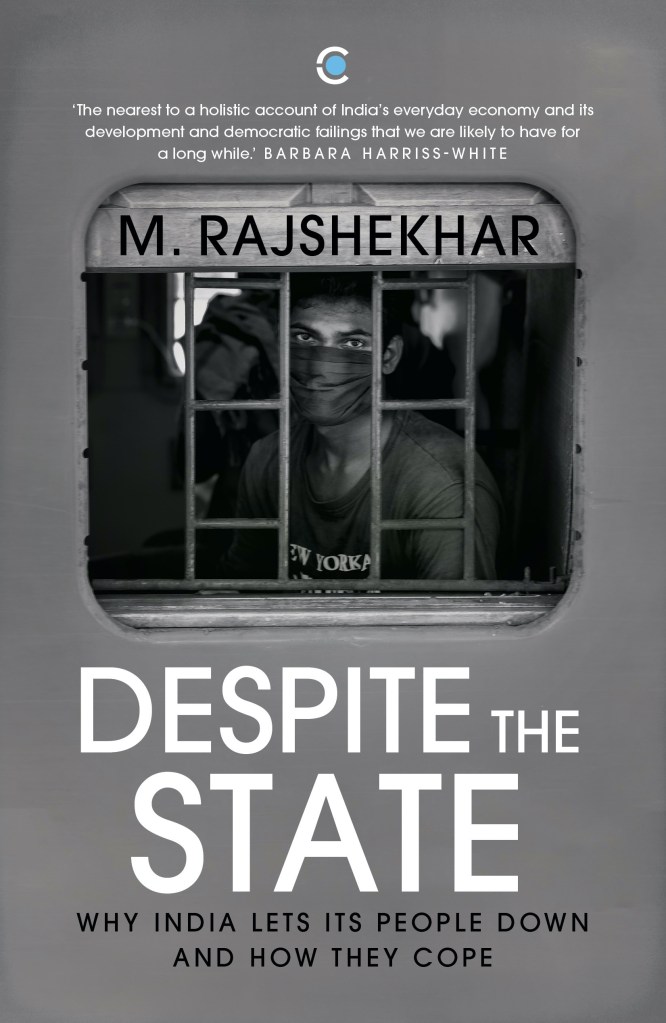
That was the first month of what would become a 33 month long journey across India, living in and reporting from six starkly different states of India in a bid to refamiliarise myself with the country — and eventually culminate in Despite the State.
“That will be Rs 800 and that is too much. Can you give us Rs 600?” I am unable to forget that interaction, not because it was an outlier. It wasn’t. Through my travels, I received nothing but trust and generosity from those I met.
And so, this page. On the people of India.
Who are they, these people, in whose name television anchors, politicians and assorted members of India’s moronic commentariat push their worldviews and agendas? They get called the ‘nation’, the ‘aam aadmi (common man)’ — deliberately broad labels that obscure the incredible heterogeneity of the country, per ethnicity, religion, caste, class, not to mention their quotidian struggles and goodness, and make it easier for the State to reduce them to boilerplate categories that serve its ends, not to mention help it evade questions on how its policies affect individuals.
And so, on this page, some of the folks I met while tramping around.
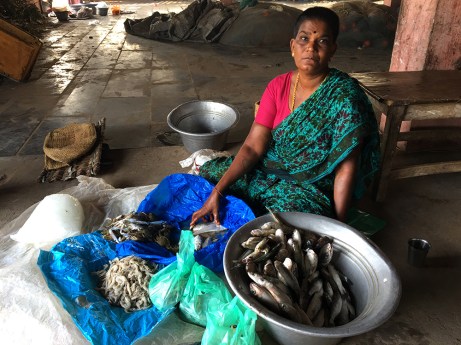
Near Pichavaram, Coastal Tamil Nadu. While reporting on sharp declines in TN’s marine fish catch. https://scroll.in/article/808960/why-tamil-nadus-fisherfolk-can-no-longer-find-fish 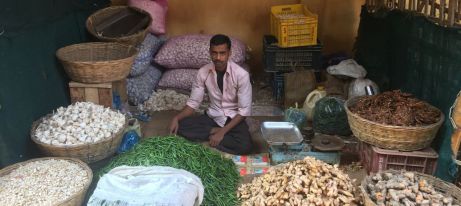

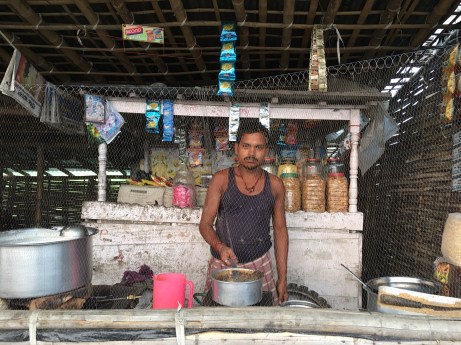
On the banks of the mighty Kosi. Araria, Bihar. https://scroll.in/article/844258/state-wrap-bihar-is-struggling-with-development-while-communal-cracks-grow-wider 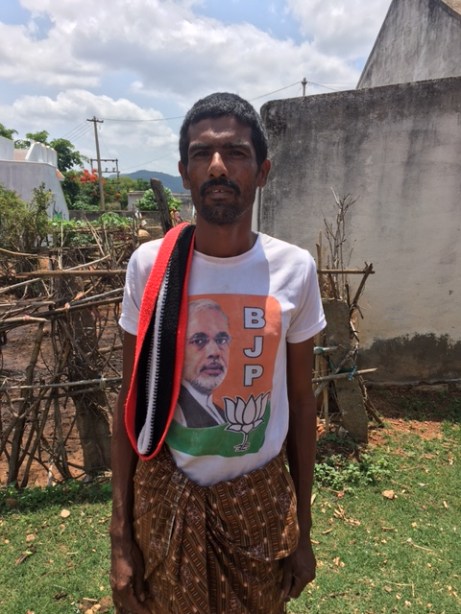
Krishnagiri, Tamil Nadu. Nothing quite like malnourished poor wearing TShirts endorsing strongman leaders 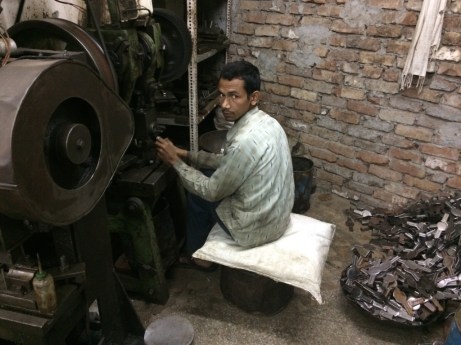
Migrant MSME worker at Ludhiana, Punjab. 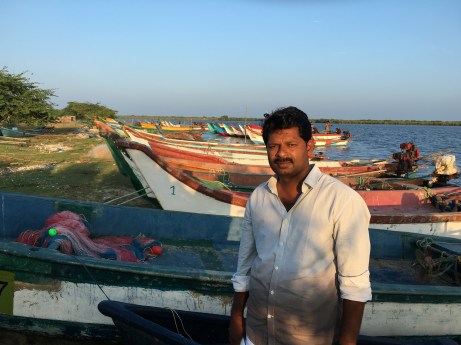
Fisherfolk leader, Pichavaram, Tamil Nadu. 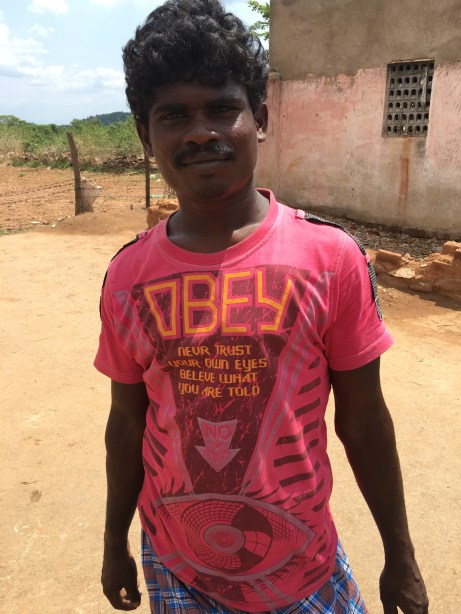
A much better choice of TShirt. In one of the poorer parts of Tamil Nadu. Krishnagiri. 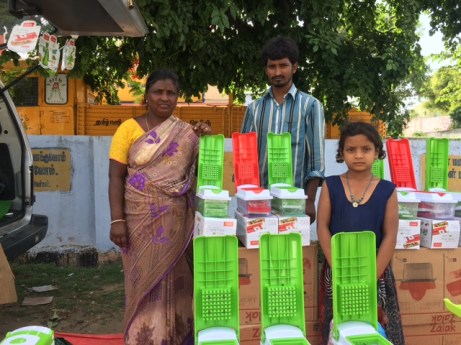
A family that became travelling salesmen. Near Hosur, Tamil Nadu. 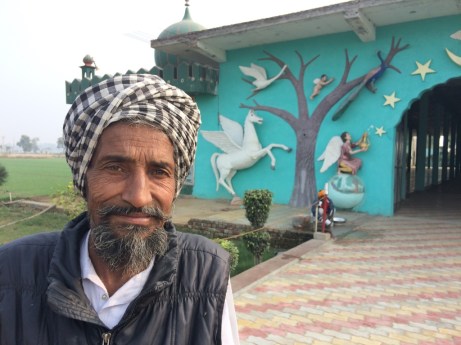
Caretaker of a mazaar in Punjab. The state is seeing rising religiosity thanks to a spike in economic insecurity (http://scroll.in/article/804145/why-is-punjab-increasingly-turning-towards-new-gurus-for-comfort) 
The owner of a shrinking MSME in deindustrialising Ludhiana, Punjab. 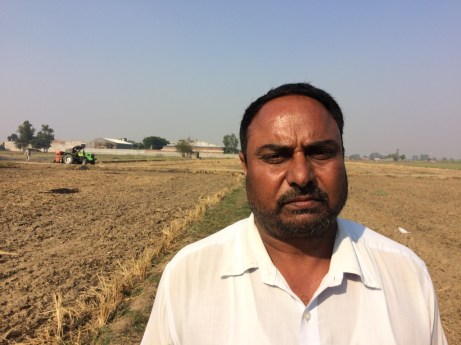

More on malnourishment in Krishnagiri, Tamil Nadu. A girl eats a meagre diet of thin lentil gruel and rice. 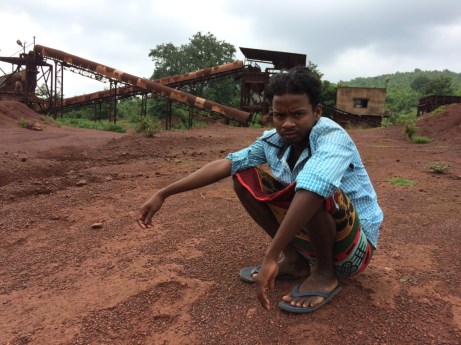
A solitary watchman guards an iron ore crushery in the iron ore boomtown of Koira. The boom is over. And the place has fallen silent (https://scroll.in/article/743164/odishas-mining-boom-is-over-and-everyone-is-scrambling-to-cut-their-losses) 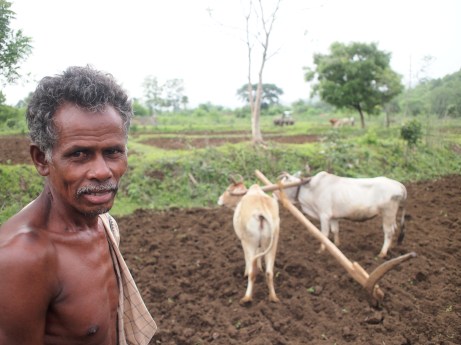
A farmer in Kalahandi, Odisha (https://scroll.in/roving/211/in-odisha-farmers-are-still-growing-food-the-hard-way) 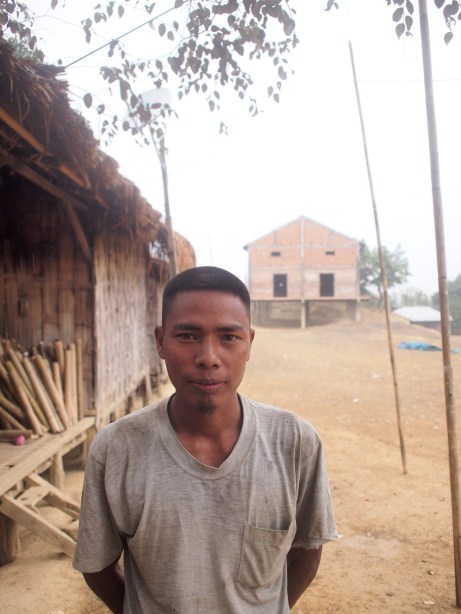
Bru tribal. Damparengpui, Mamit, Mizoram. https://scroll.in/article/713794/in-a-tiger-reserve-in-mizoram-camera-traps-are-taking-pictures-of-gunmen 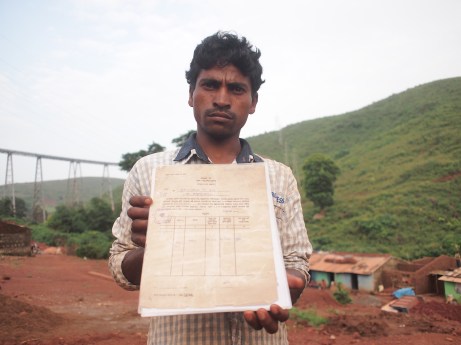
Villager, ripped off agri into mining work. Rayagada, Odisha 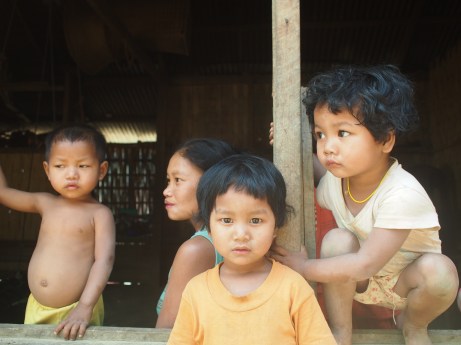
Zochachhuiah, Lawangtlai, Mizoram 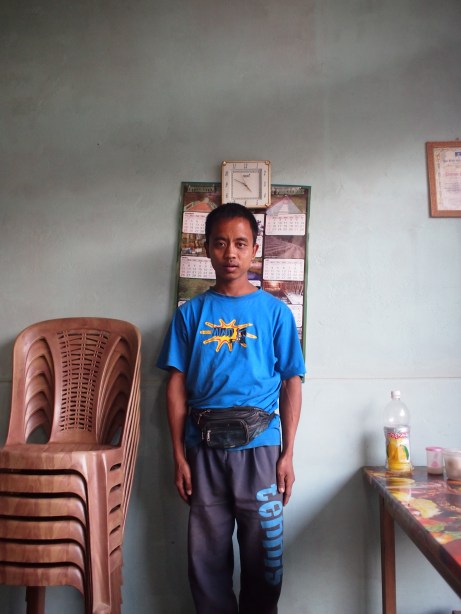
OLYMPUS DIGITAL CAMERA 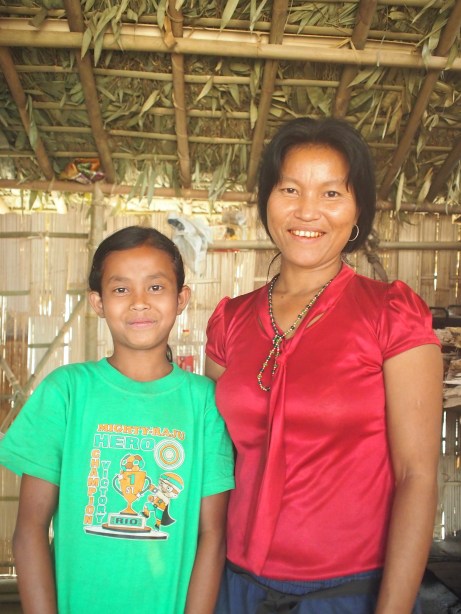
Kaladan Highway, Lawangtlai, Mizoram 
A woman, her face protected from the sun, breaks stone for the Kaladan Highway. Lawangtlai, Mizoram 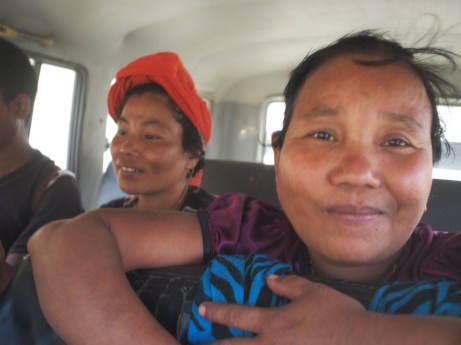
Lawangtlai, Mizoram. 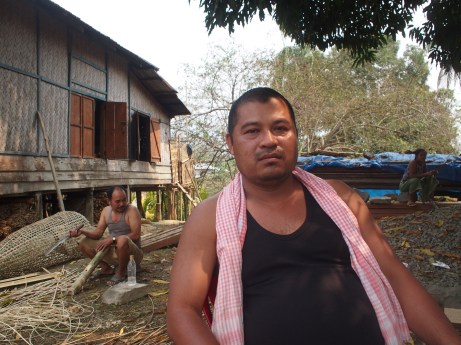
Borapansury, Chakma Autonomous Council, Mizoram. https://scroll.in/article/720942/minority-councils-in-the-north-east-want-direct-funding-but-will-that-really-help-them-develop 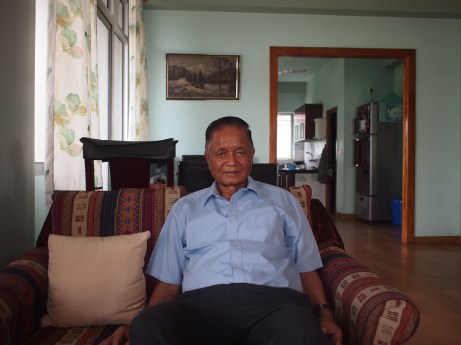
Aizawl, Mizoram 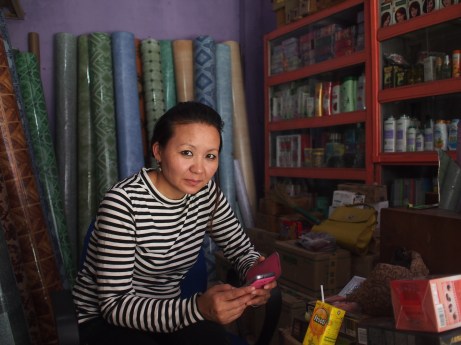
Remtei runs a cosmetics (and floor carpets) store in distant Champhai. A few more kilometres to the east, Burma (https://scroll.in/roving/167/where-aishwarya-rai-sells-hair-colour-in-chinese) 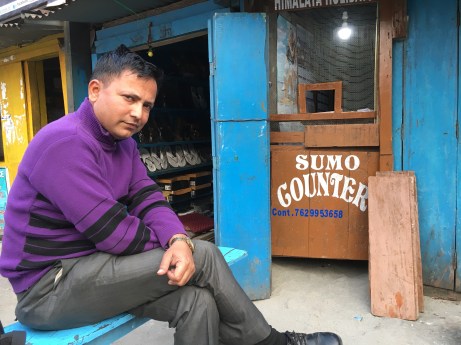
Bhalukpong, Arunachal Pradesh 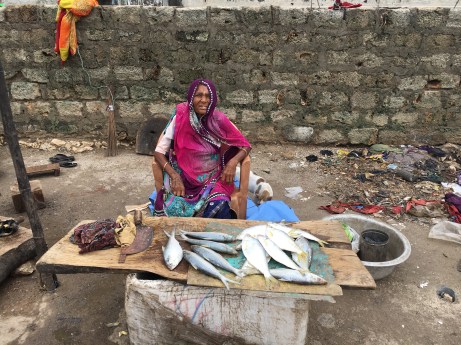
Life at the margins. A fish market at Veraval, Gujarat 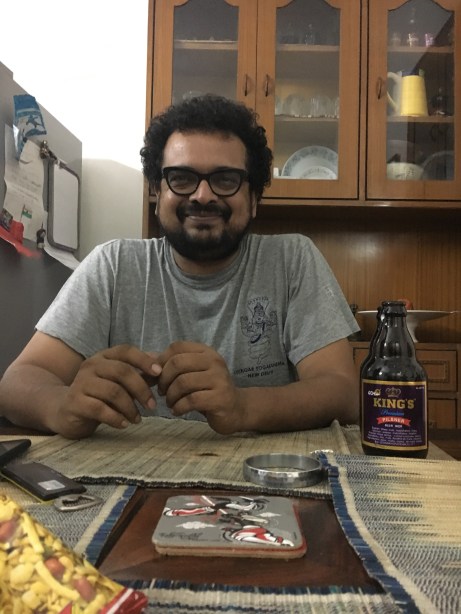
My noble friend Praveen. Featured here thanks to public demand. Delhi, India. 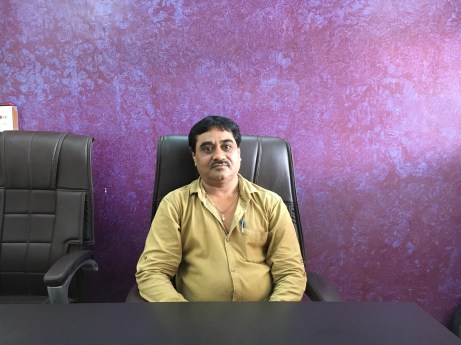
Manager of a small loom in Surat, Gujarat 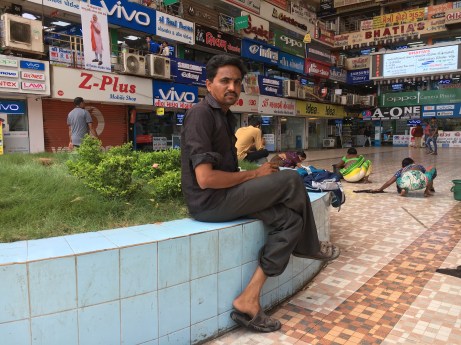
He left the diamond trade and moved to the textile cluster of Surat, Gujarat. Which shows distress for small units in diamond trade as well as contributes to distress in Surat’s textile trade. All before GST came in and hammered things some more. https://scroll.in/article/842004/beyond-surats-gst-strike-new-technologies-chinese-imports-are-causing-a-churn-in-textile-sector 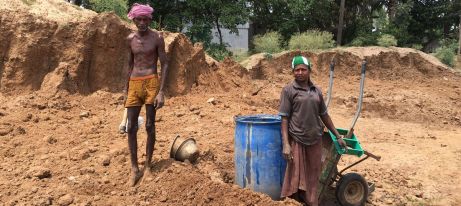
Near Villupuram, Tamil Nadu, high debt is forcing some farmers off agriculture into brick-making on their fields. https://scroll.in/article/810138/a-tsunami-of-debt-is-building-up-in-tamil-nadu-and-no-one-knows-where-it-is-headed 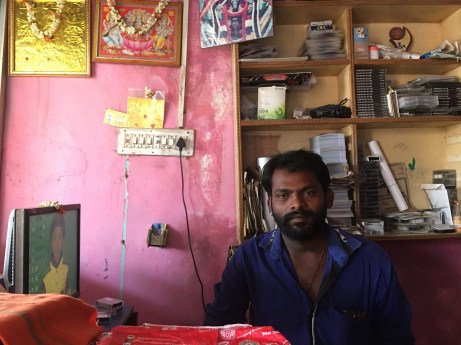
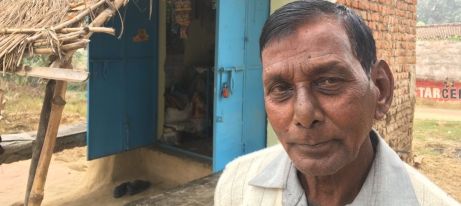
Bhindu Paimar, a village between Bodh Gaya and the ancient university of Nalanda. Shopkeeper Lallan Paswan came up with sophisticated reasons in support of DeMonetisation. See: https://scroll.in/article/823559/demonetisation-in-a-hamlet-in-bihar-income-and-expenditure-is-down-but-hopes-are-up 
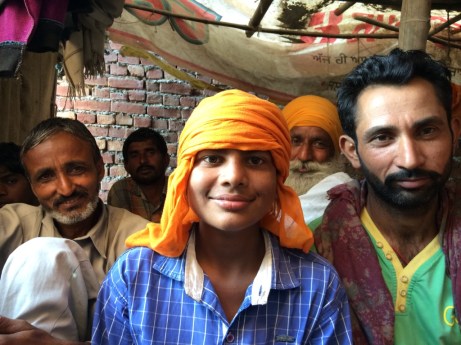
Hammals (loaders) at Amritsar’s grain mandi. 
The redoubtable Kumti Majhi. Fighting against Vedanta at Niyamgiri (https://scroll.in/article/738955/the-dongria-kondhs-of-odisha-now-face-a-more-formidable-enemy-than-vedanta) 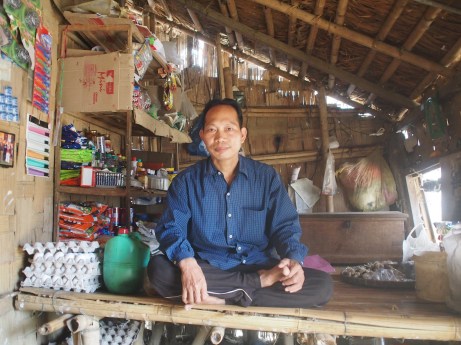
The BJP’s candidate at Borapansury, Chakma Autonomous Council, Mizoram (https://scroll.in/article/719322/why-the-bjp-is-gaining-popularity-in-some-parts-of-minority-dominated-mizoram) 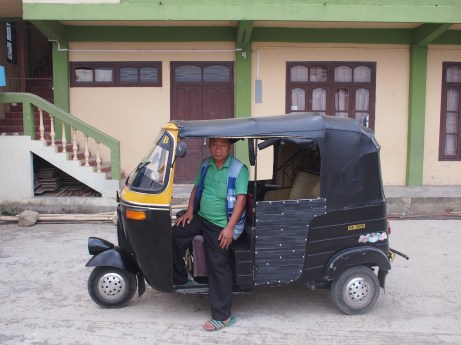
Champhai, Mizoram 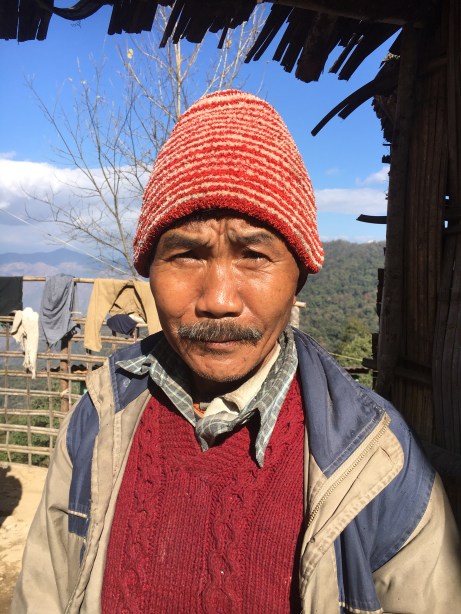
Life in a biodiversity hotspot. Lama Camp, Tenga, West Kameng, Arunachal Pradesh. https://mrajshekhar.wordpress.com/2018/01/20/and-now-for-something-completely-different-9/ 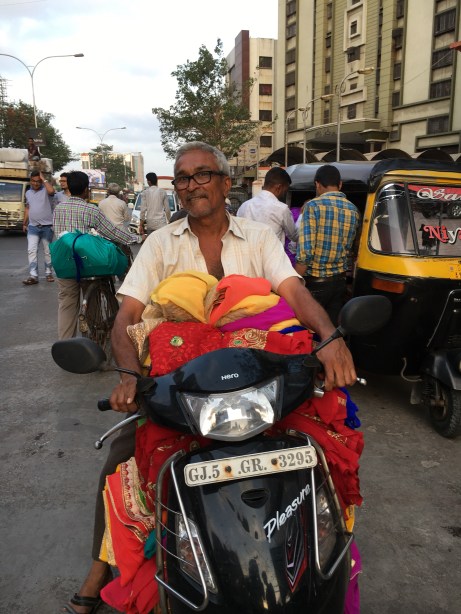
A garment wholesaler returns home after buying stock at Surat, Gujarat (https://scroll.in/article/841882/in-surats-textile-hub-small-businesses-are-afraid-of-gst-but-big-companies-are-not) 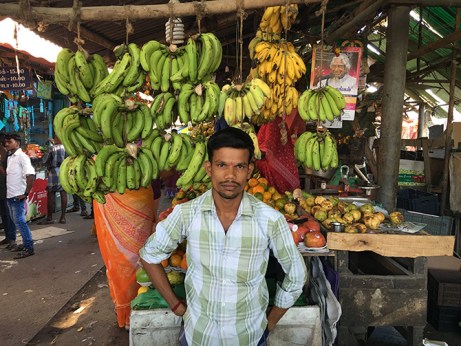

Flower market, Hosur, Tamil Nadu. (This snap was taken on the first day of demonetisation) 
Bettiah, Bihar (About two weeks into demonetisation). https://scroll.in/article/822860/cauliflower-sells-for-rs-one-a-kilo-in-bihar-as-demonetisation-depresses-demand 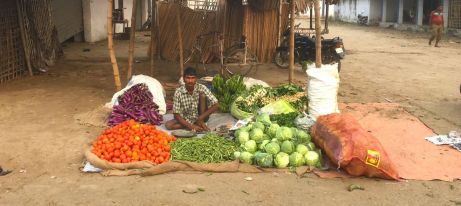
Bettiah. Bihar. In this market, a day after demonetisation, the price of cauliflower crashed from Rs 12 a kilo to Rs 1. https://scroll.in/article/822860/cauliflower-sells-for-rs-one-a-kilo-in-bihar-as-demonetisation-depresses-demand 
Tribal family in Krishnagiri, Tamil Nadu. Contrasts between the tribal and dominant community homes are stark. 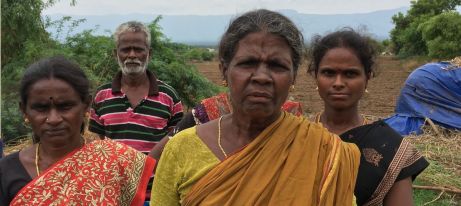
Tribal hamlet near Coimbatore, Tamil Nadu (https://scroll.in/article/820861/part-1-tamil-nadus-healthcare-numbers-look-good-but-its-people-arent-getting-healthier) 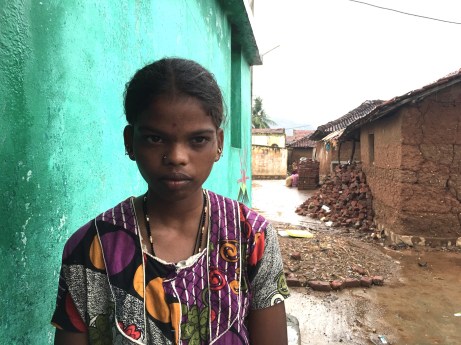
An underage, malnourished mother who lost her newborn. This reporter met in Krishnagiri, Tamil Nadu. Such incidents demand a relook at Tamil Nadu’s claims on steady welfarism. It has degenerated, we found, to a sort of messianic populism. Part one: https://scroll.in/article/820861/part-1-tamil-nadus-healthcare-numbers-look-good-but-its-people-arent-getting-healthier 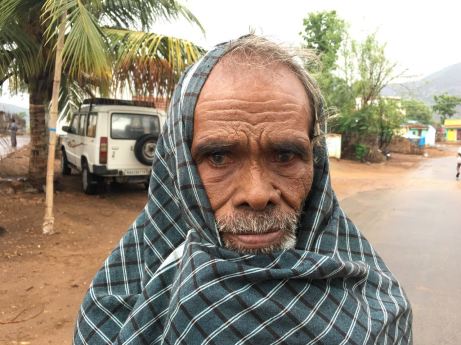
Krishnagiri, Tamil Nadu. This old man complained about missing doctors. https://scroll.in/article/822044/think-tamil-nadu-has-good-public-healthcare-its-hard-to-find-it-on-the-ground 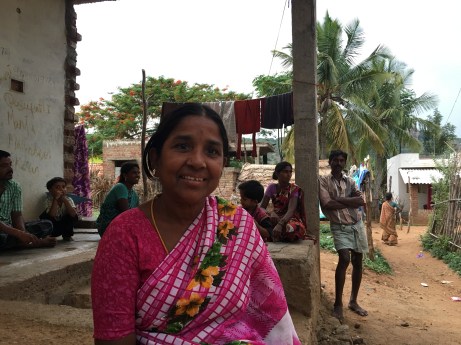
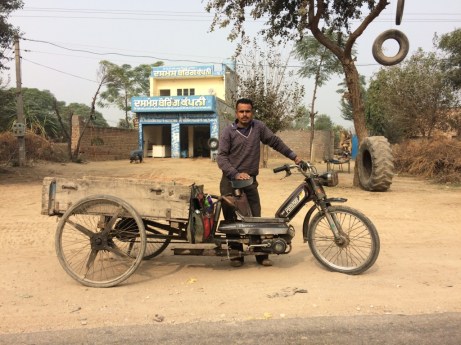
Jugaad in Punjab (https://scroll.in/roving/800772/travel-in-punjab-and-you-are-bound-to-run-into-jugaad) 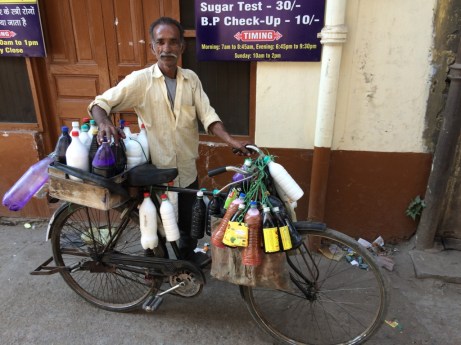
A bicycle pedal-making MSME owner forced by Punjab’s eroding competitiveness into selling phenyl (https://scroll.in/article/772899/why-is-industry-fleeing-punjab) 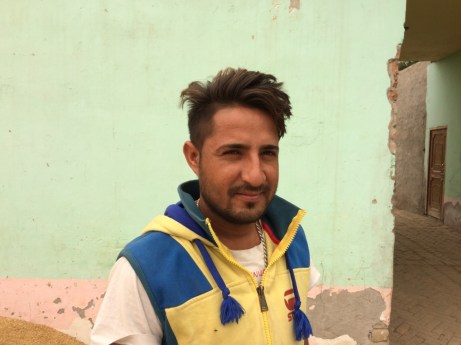
A young farmer in Punjab. https://scroll.in/article/772198/how-climate-change-has-sparked-political-and-social-unrest-in-punjab-this-year 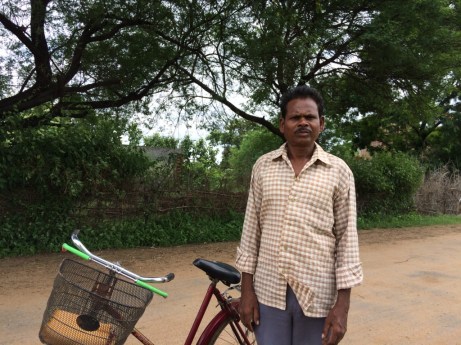
Bolangir, Odisha 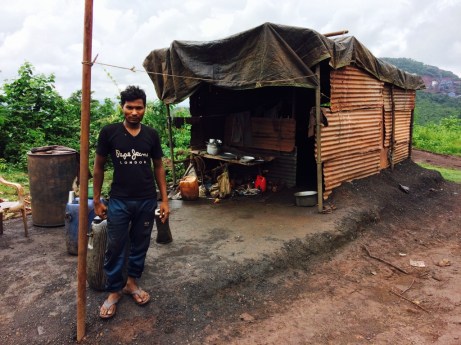
A migrant worker mans an oil depot at Keonjhar, Odisha. https://scroll.in/article/761825/how-odisha-squandered-valuable-mineral-resources-without-any-gains-for-its-people 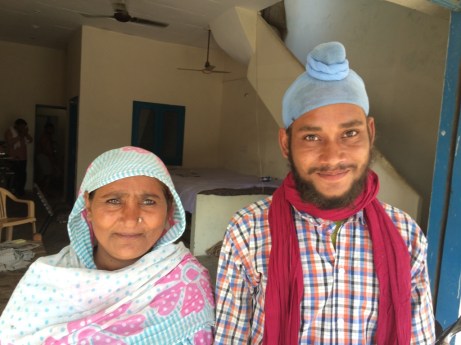
A young man at Amritsar mandi poses with his mother for a photo. https://scroll.in/roving/1214/these-workers-at-amritsars-grain-market-are-smiling-only-for-the-camera 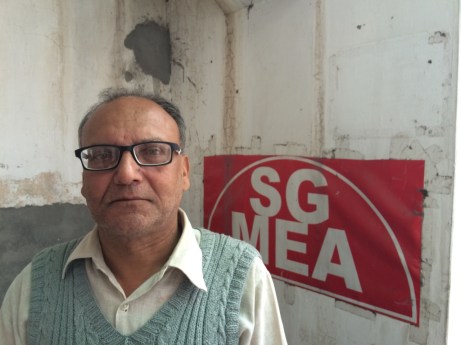
Secretary of Jallandhar’s dwindling sports good industry. https://scroll.in/article/772899/why-is-industry-fleeing-punjab 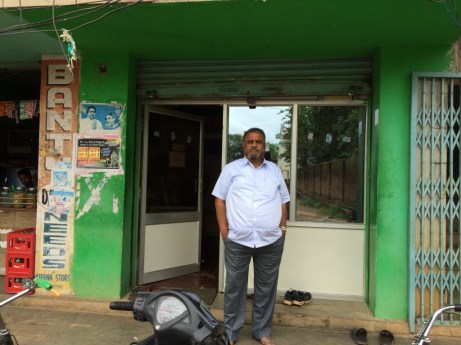
A labour contractor at Bolangir, Odisha. The state supplies migrant labour (sometimes recruited through debt bondage) across India. https://scroll.in/article/747416/why-lakhs-of-people-leave-odisha-to-work-in-distant-unsafe-brick-kilns 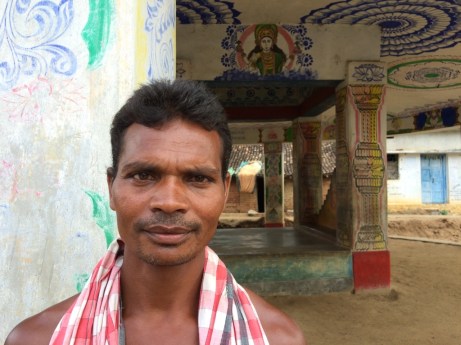
Farmer in Bolangir, Odisha 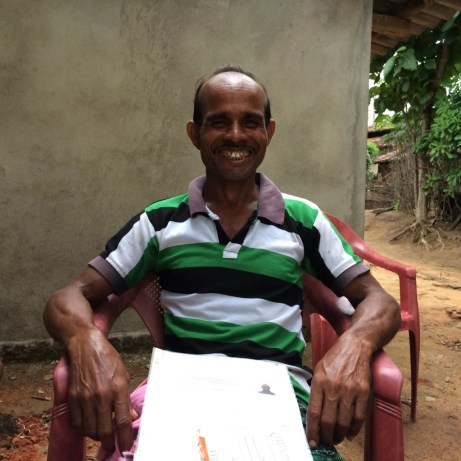
Freed bonded labour. Bolangir, Odisha 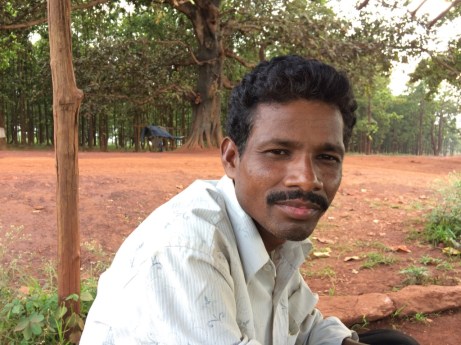
Koyda, Odisha 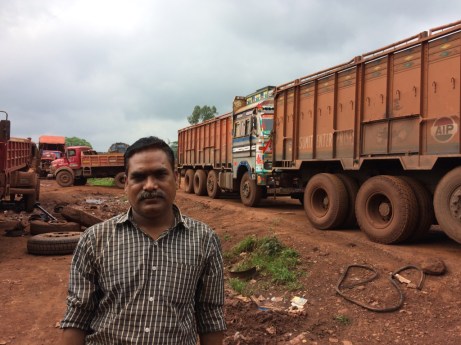
A truck owner who bet on the mining boom in Koyda, Odisha. Bought lots of trucks. And now stuck because the boom is gone. https://scroll.in/article/743164/odishas-mining-boom-is-over-and-everyone-is-scrambling-to-cut-their-losses 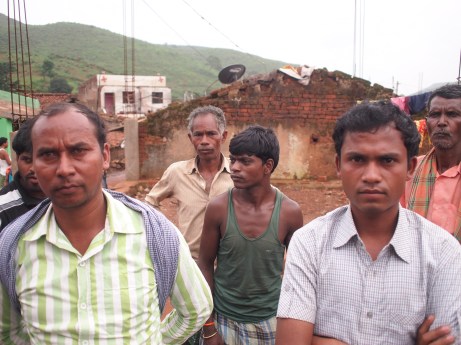
Rayagada, Odisha 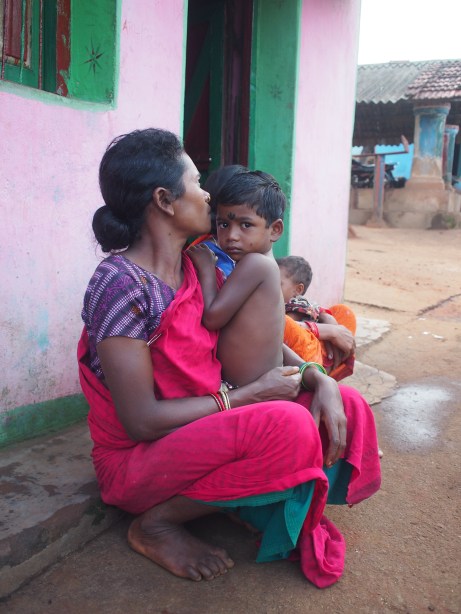
Rayagada, Odisha 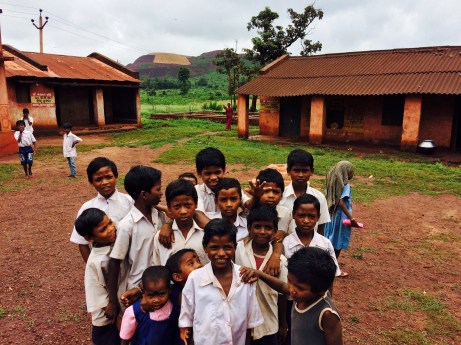
Schoolkids in Keonjhar. One of the most unequal places in all of India (https://scroll.in/article/758158/what-a-primary-school-in-keonjhar-tells-us-about-odishas-misplaced-government-spending) 
Rayagada, Odisha 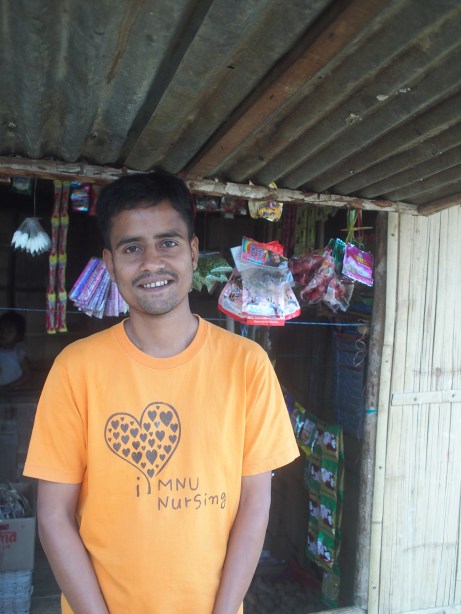
Damparengpui, Mamit, Mizoram 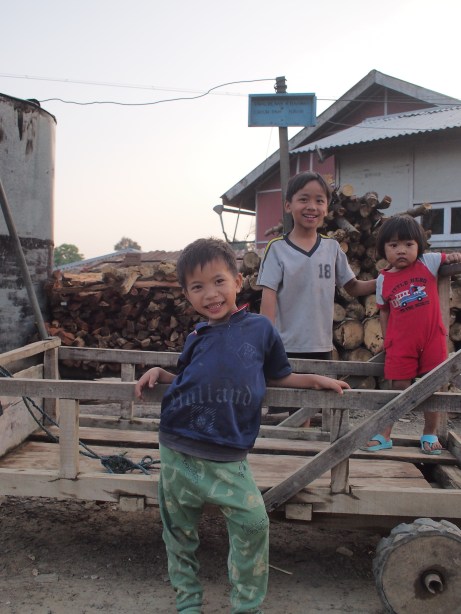
OLYMPUS DIGITAL CAMERA 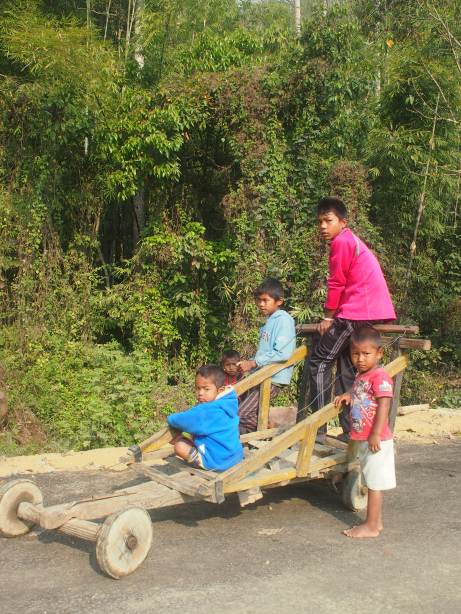
Near Dampa Tiger Reserve, Mamit, Mizoram 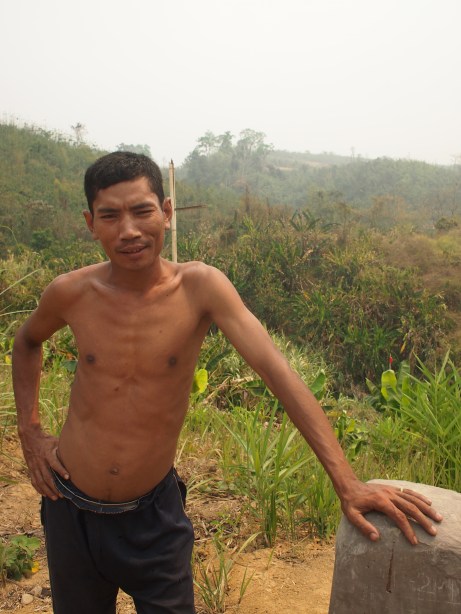
Zochachhuiah, Lawangtlai, Mizoram. Where the Kaladan highway enters Burma (http://scroll.in/article/729210/a-new-gateway-to-the-north-east-runs-into-and-jumps-over-a-corruption-roadblock) 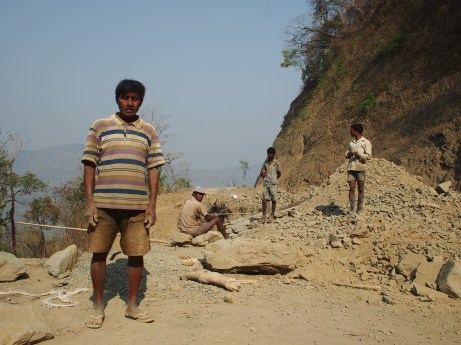
Migrant workers at Kaladan highway, Lawangtlai, Mizoram 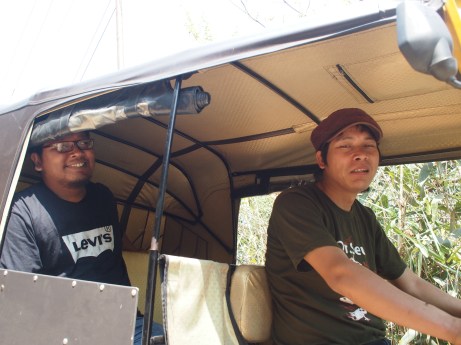
Lunglei, Mizoram 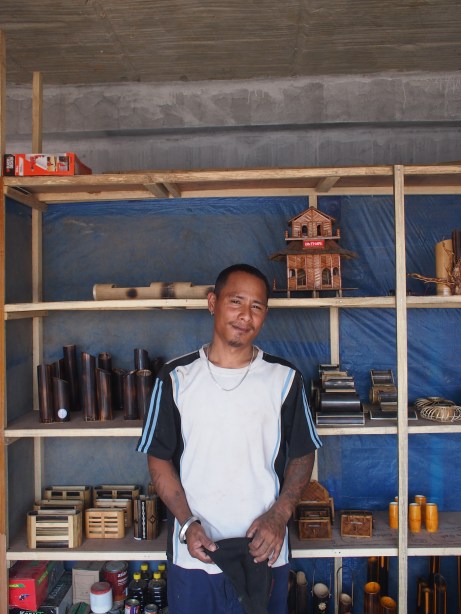
Artisanal artist in Lawangtlai, Mizoram 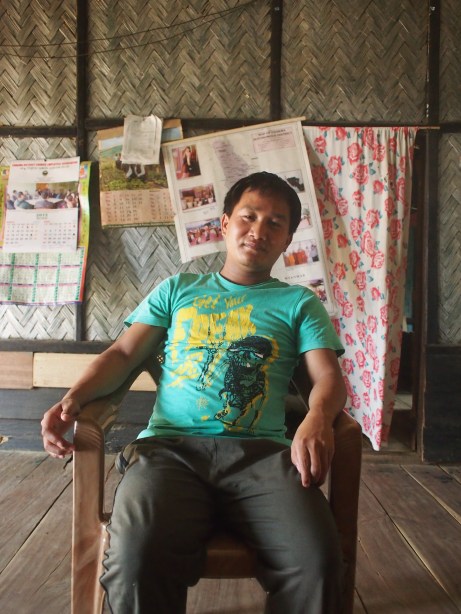
The solitary doctor at Borapansury, Chakma Autonomous Council, Mizoram. Ayush, of course. https://scroll.in/article/719322/why-the-bjp-is-gaining-popularity-in-some-parts-of-minority-dominated-mizoram 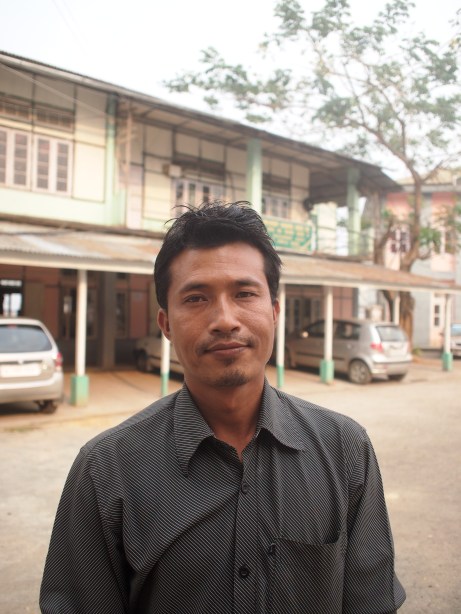
A teacher at Lawangtlai, Mizoram. Not getting his salary, he now supports his family by driving an auto. 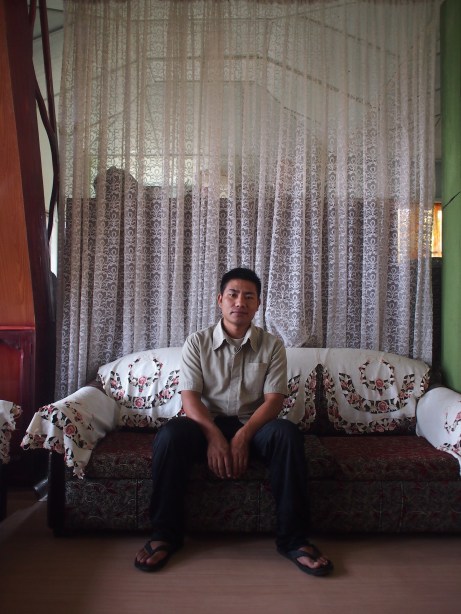
A farmer at Lunglei, Mizoram (https://scroll.in/article/717758/how-the-congress-derailed-a-plan-to-stop-mizorams-farmers-burning-the-forests) 
Aizawl, Mizoram 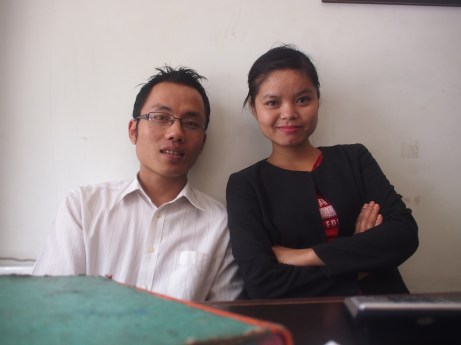
Young restauranteurs in in Aizawl, Mizoram 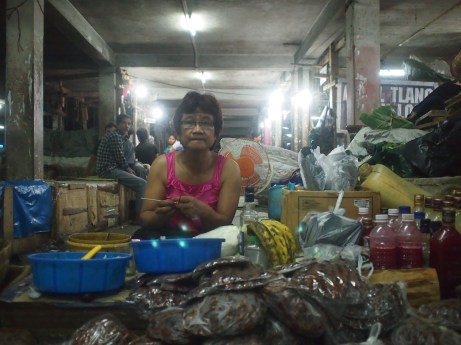
Aizawl, Mizoram 
Vegetable market, Aizawl, Mizoram 
Guwahati, Assam 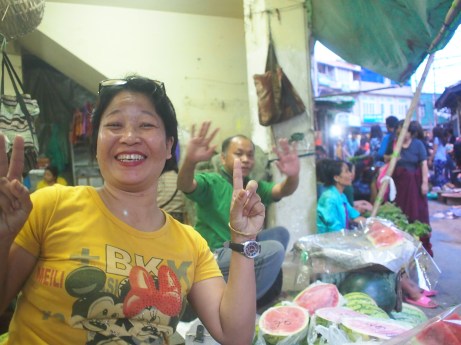
Vegetable market at Aizawl, Mizoram (https://scroll.in/roving/23/vegetable-markets-elsewhere-in-mizoram) 
Champhai, Mizoram 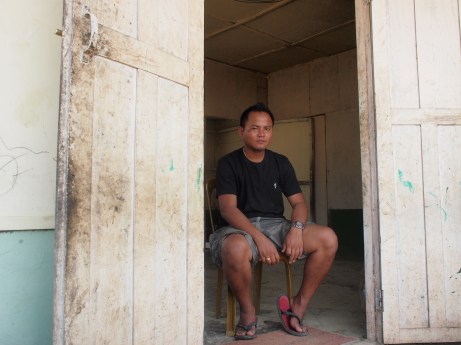
Government official during off-hours. Champhai, Mizoram. 
Champhai, Mizoram 
Government hospital ambulance driver, Champhai, Mizoram. The system when we visited was massively underfunded. See https://scroll.in/article/723915/aids-is-about-to-explode-in-mizoram-and-the-modi-government-is-partly-to-blame and https://scroll.in/article/724629/why-medical-workers-are-taking-personal-loans-to-keep-mizorams-healthcare-system-running 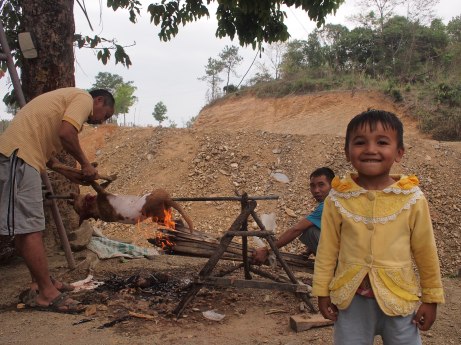
Champhai, Mizoram 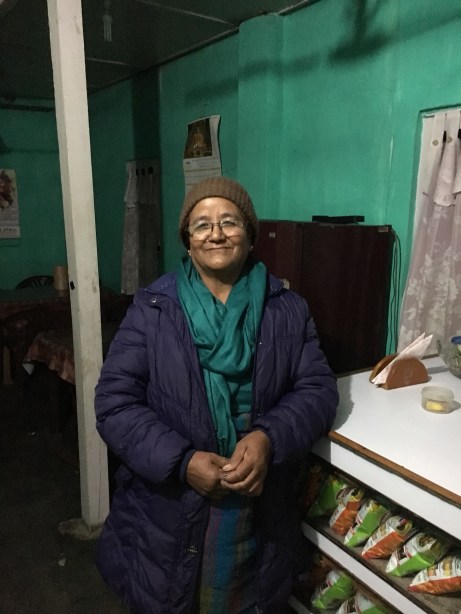
Dolma Lama, who runs a restaurant at Tenga Market, West Kameng, Arunachal Pradesh 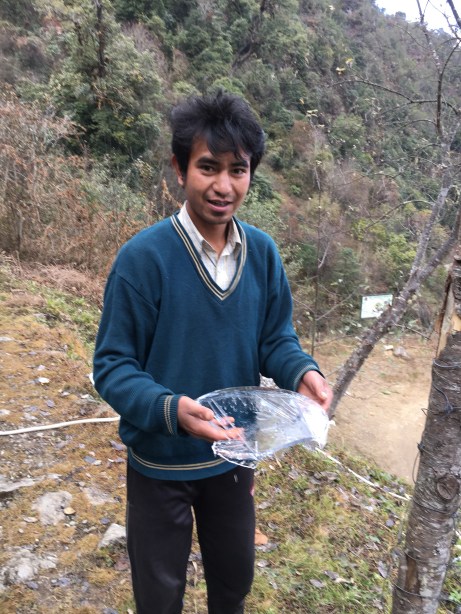
Lama Camp, West Kameng, Arunachal Pradesh 
Cobbler at Champhai, Mizoram 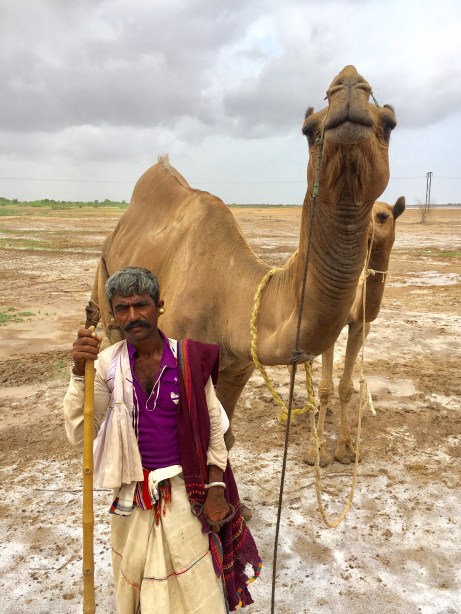
At the Rann of Kutch, Gujarat 
Dairy farmer at Banaskantha, Gujarat. See these two reports on the fraying milk cooperative which supports them. https://scroll.in/article/858576/the-amul-story-how-politics-is-hurting-the-economics-of-gujarats-milk-cooperatives and https://scroll.in/article/858585/amul-is-now-a-congress-mukt-federation-how-bjp-took-control-of-indias-largest-milk-cooperative 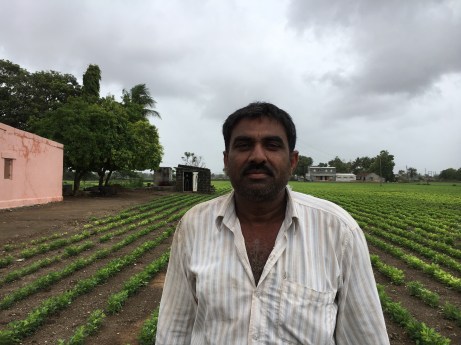
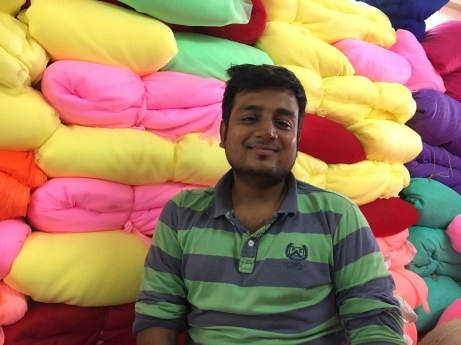
Textile trader at Surat, Gujarat 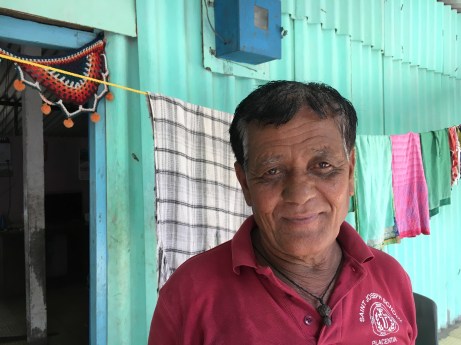
Fisherman at Hazira, Gujarat. https://scroll.in/article/859205/urban-planning-why-gujarats-cities-are-losing-their-fight-against-a-changing-climate 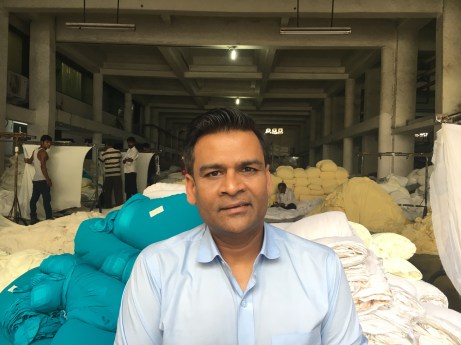
Owner of a textile factory in Surat, Gujarat 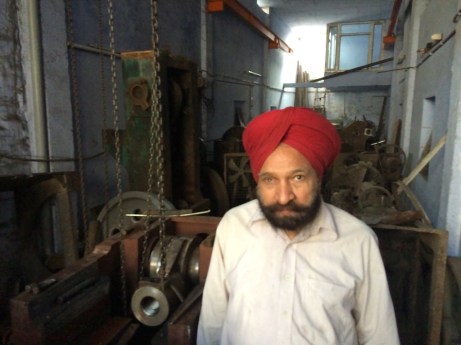
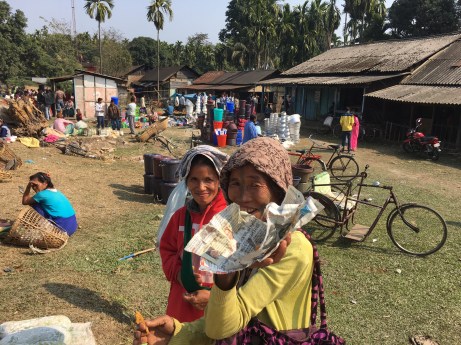
Apatani women, Arunachal Pradesh 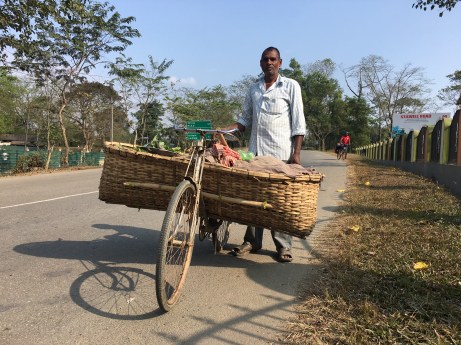
Vegetable seller near Margarita, Assam 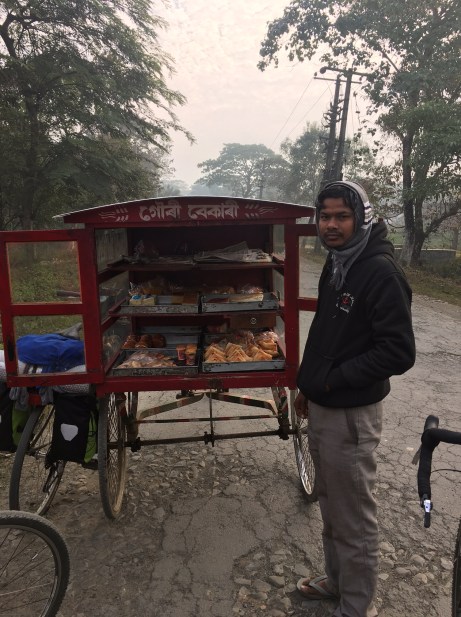
Cycling beyond Sibasagar, Assam. We met this Bihar migrant working in a bakery at the town. He was off to hawk the day’s production from his baker’s cycle cart. 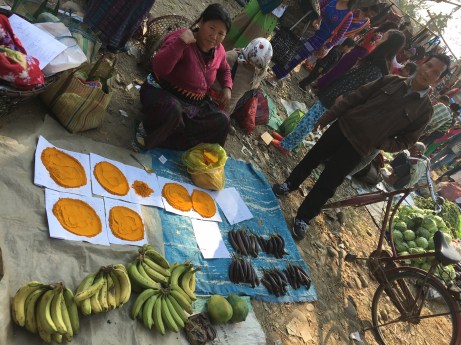
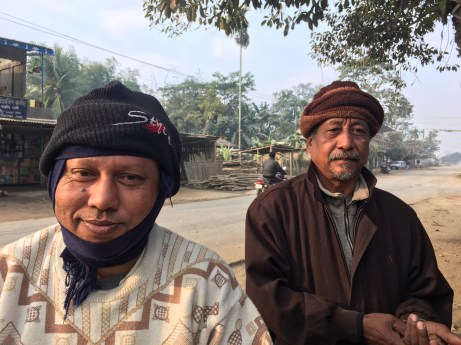
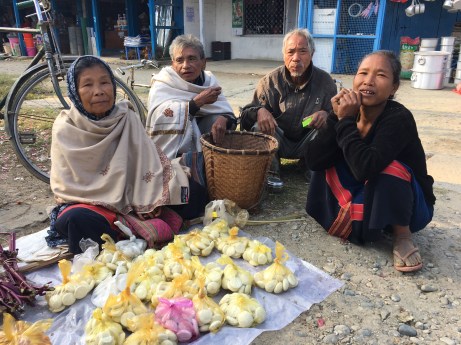
Miao, Arunachal Pradesh. Those packets contain yeast used for brewing rice beer. 
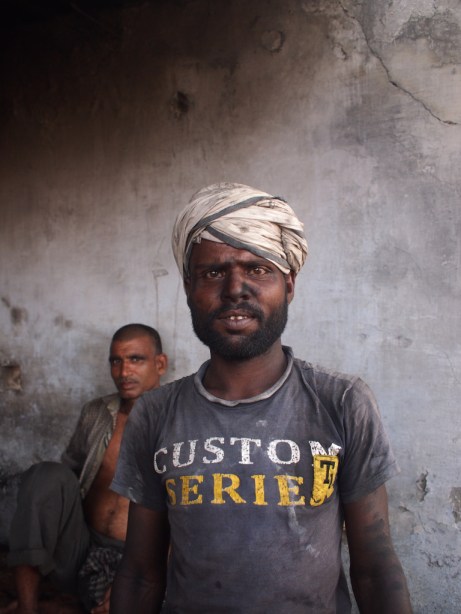
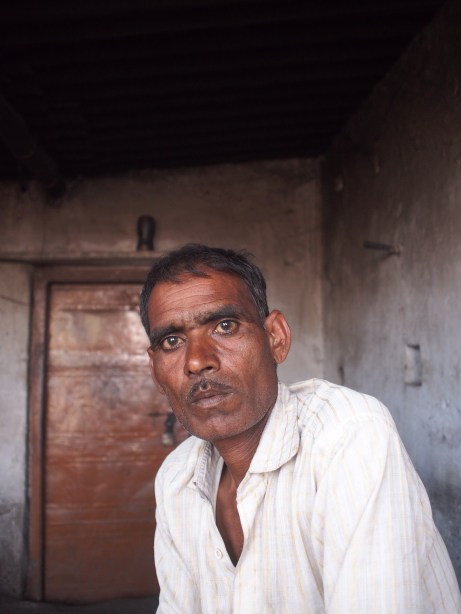
buddhiram. works 20 days a month at chandasi as labour. the pay is dismal. the ‘mate’ (labour contractor) deducts a lot even though he does no work. 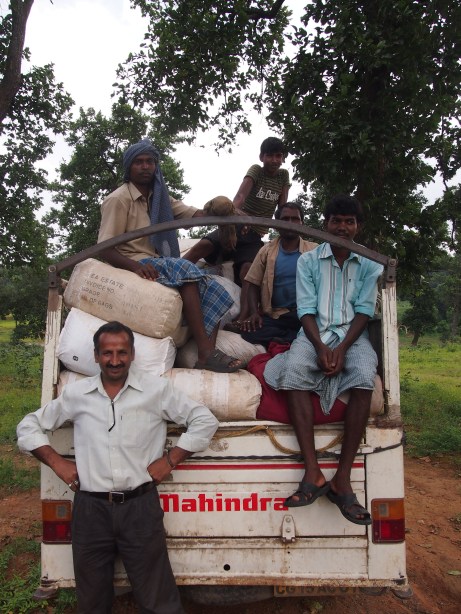

 Fractured/Earth